
Patenaude Orthodontics
Frequently Asked Questions
About Our Services
Braces, Surgical Orthodontics, Aligners, Pediatric Orthodontics
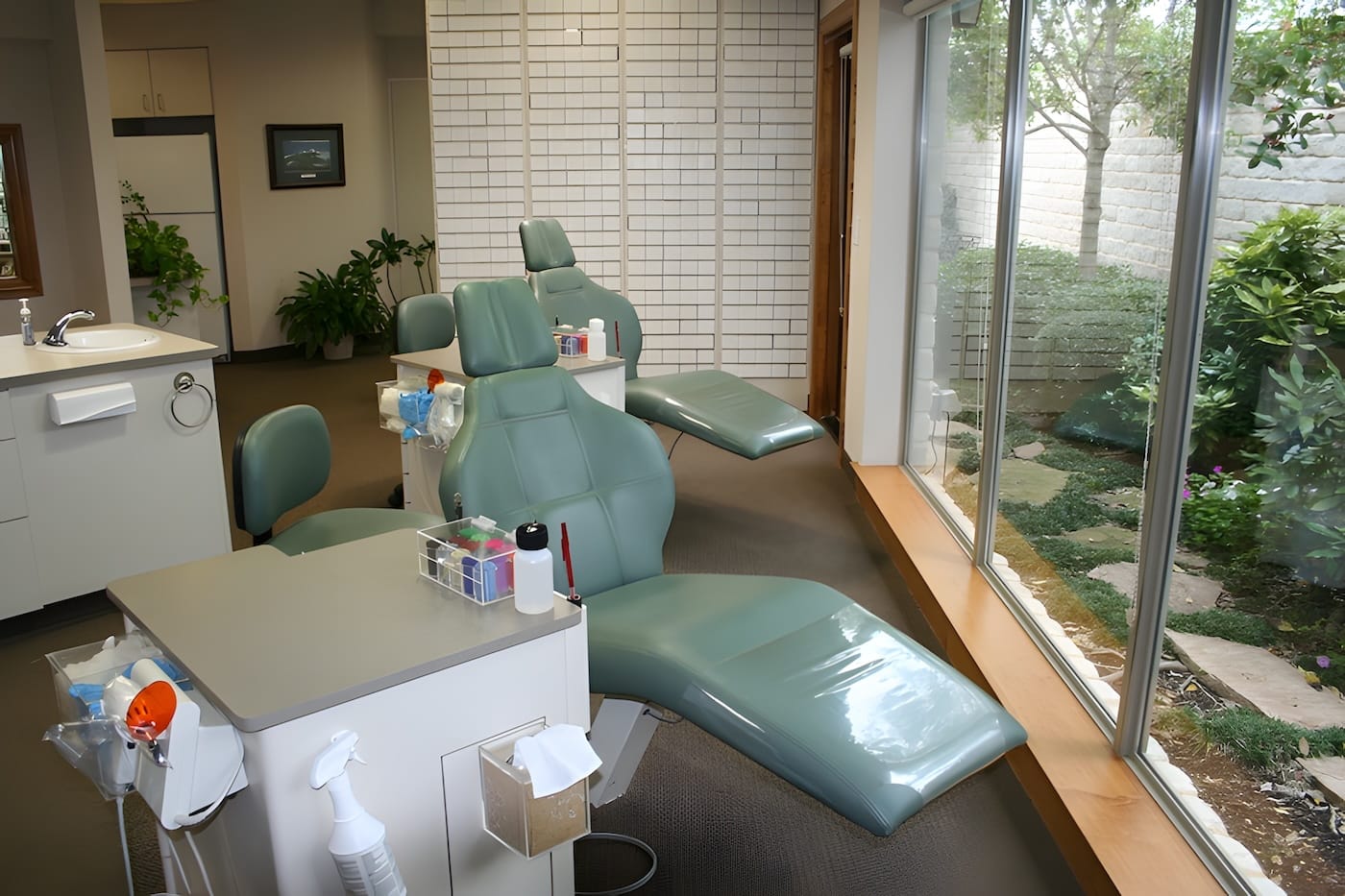
Braces, Surgical Orthodontics, Aligners, Pediatric Orthodontics
Orthodontics is the branch of dentistry that is officially known as Orthodontics and Dentofacial Orthopedics. The purpose of orthodontics is to treat any type of malocclusion, which is simply another way of saying “bad bite.”
When you have a malocclusion, that means your teeth, lips and/or jaws don’t line up the way they should. As a result, your teeth may be crooked, your bite may not work correctly and your jaws may look unbalanced.
To fix bad bites, orthodontists — dentists who are specially trained — use braces and other corrective procedures, including materials often called “appliances,” to achieve tooth and jaw alignment. This correction of the teeth and their supportive structures makes for a healthy, attractive smile.
An orthodontist is a specialist in the diagnosis, prevention and treatment of dental and facial irregularities. All orthodontists are dentists, but only about six percent of dentists are orthodontists. Admission to orthodontic programs is extremely competitive and selective.
It takes many years to become an orthodontist and the educational requirements are demanding.
An orthodontist must complete college requirements before starting a three-to-five-year graduate program at a dental school accredited by the American Dental Association (ADA). After dental school, at least two or three academic years of advanced specialty education at an ADA-accredited orthodontic program are required to be an orthodontist. The demanding program includes advanced education in biomedical, behavioral and basic sciences. The orthodontic student learns the complex skills required to manage tooth movement (orthodontics) and guide facial development (dentofacial orthopedics).
Only dentists who have successfully completed these advanced specialty education programs may call themselves orthodontists.
Most orthodontic problems are inherited. Examples of these genetic problems are crowding, spacing, protrusion, extra or missing teeth and some jaw growth problems.
Other malocclusions are acquired. In other words, they develop over time. They can be caused by thumb- or finger-sucking, mouth breathing, dental disease, abnormal swallowing, poor dental hygiene, the early or late loss of baby (primary) teeth, loss of permanent teeth, accidents, poor nutrition, or some medical problems.
Sometimes, an inherited malocclusion is complicated by an acquired problem. But, whatever the cause, we are usually able to treat most conditions successfully.
When most people think of orthodontics they think of teenagers, and the fact is, most orthodontic treatment begins between the ages of 9 and 14. However, by age 7, most children have a mix of adult and baby teeth. Orthodontists can spot subtle problems with jaw growth and emerging teeth while some baby teeth are still present. That’s important, because some orthodontic problems are easier to correct if they’re found early.
For these reasons, the American Association of Orthodontists recommends that your child get an orthodontic check-up no later than age 7. While your child’s teeth may appear to be straight, there could be a problem that only an orthodontist can detect. Of course, the check-up may reveal that your child’s bite is fine, and that can be comforting news.
Even if a problem is detected, we may not recommend immediate treatment. Chances are, we will take a “wait-and-see” approach, checking on your child from time to time as the permanent teeth come in and the jaws and face continue to grow. For each patient who needs treatment, there’s an ideal time for treatment to begin in order to achieve the best results. The orthodontist is the specialist who has the knowledge to determine when the time is just right.
In some cases, we might find a problem that can benefit from early treatment. Early treatment may prevent more serious problems from developing, and may make treatment at a later age shorter and less complicated. Typically, early treatment involves the use of orthodontic appliances, which may be removable, to guide the growth of young bones and create a better environment for adult teeth as they emerge. In some cases, we will be able to achieve results that wouldn’t be possible once the face and jaws have finished growing.
Even if your child is past age 7, it is important to have an orthodontic check-up as soon as possible. The fact is that most orthodontic patients begin active treatment between the ages of 9 and 14, but, of course every case is different. Generally speaking, because children are still growing, this age range is optimal for achieving the best possible orthodontic result.
Orthodontic treatment can be successful at almost any age. In fact, about one in every five orthodontic patients today is over age 18. Thanks to today’s smaller, less visible, more comfortable brackets, adults are finding braces more appealing. Healthy teeth, bones and gums respond well to orthodontic treatment at almost any age. It’s never too late to get a healthy, beautiful smile.
First and foremost, orthodontic treatment involves the patient. To achieve the desired results, the patient must diligently follow our instructions about wearing orthodontic appliances and practice good dental hygiene. With braces, certain foods, like peanut brittle, caramels and bubble gum are off limits — as is chewing ice.
We provide custom-made braces, retainers or other corrective appliances, according to the problem being treated. Whether they’re removable or “fixed” into the mouth, whether they’re made of metal, ceramic or plastic, all orthodontic appliances have a common purpose – to use gentle pressure to move teeth and jaws into their proper positions. Today’s patients benefit from techniques and materials that enhance the comfort of orthodontic treatment.
We know your time is valuable and we have added remote monitoring. With Dental Monitoring we can help make sure every appointment counts and is needed, this allows us to maximize what is able to be done at each visits lessening the number of extra or unnecessary visits. This also allows the patient and parent to see progress and monitor care of teeth and braces/aligners during treatment. dental monitoring
Successful orthodontic treatment primarily depends on two things: constant pressure and time. Sometimes it takes added force to move teeth and jaws into their correct positions. Elastics, also called rubber bands, have the pull to make that happen. But they won’t work without you. To achieve the healthy, beautiful smile you’re working for, you must carefully follow our instructions about placing and using your rubber bands.At first, the elastics may cause your teeth to be tender. That’s because your teeth are moving, which is the goal. Usually the tenderness lasts only a day or two. Not wearing your rubber bands as instructed will only make the tenderness last longer, and make the tooth movement take more time.
To get the best results from your rubber bands, remember:
1. You are responsible for placing the elastics on your braces every day. Be sure to wear them as instructed.
2. Always carry a few rubber bands with you, so if one breaks you can replace it right away. If your supply is low, call us to get more.
3. If you happen to forget to wear your elastics one day, don’t double up the next — just follow your regular instructions.
4. Rubber bands get tired. When they lose their stretch, they don’t provide the proper pressure on your teeth and jaws. So it’s very important to change them as directed, even when they’re not broken.
If you have any problems — like elastics breaking frequently, a loose wire or band, or a hook that’s broken — call our office. Don’t wait until your next scheduled appointment. These problems should be corrected as soon as possible.
Remember, faithfully wearing your rubber bands, following all instructions and keeping appointments is the quickest, easiest way to achieve your goal of a healthy, beautiful smile.
The cost of orthodontic treatment will depend on many factors, including the severity of the problem, its complexity and the length of treatment. We will be glad to discuss the cost with you before treatment begins.
Patients and patients’ families are finding that braces are more affordable today than ever. We have a variety of convenient payment plans. Often there are combined plans available for parents and children who have treatment at the same time. In addition, many dental insurance plans now include orthodontic benefits.
Dollar for dollar, when you consider the lifetime benefits of braces, they are truly a great value.
Although every case is different, generally speaking, patients wear braces from one to three years. Treatment times vary with factors that include the severity of the problem being corrected and how well the patient follows our instructions.
Patients who brush and floss thoroughly and regularly; avoid hard and sticky foods; wear their rubber bands and/or headgear as instructed; and keep their appointments usually finish treatment on-time with good results.
After the braces are removed, most patients wear a retainer for some time to keep or “retain” the teeth in their new positions. We will determine how long the retainer needs to be worn. Most patients remain under our supervision during the retention phase to ensure that the teeth stay properly aligned.
Board Certification is a rigorous process that an orthodontist voluntarily goes through to reach excellence in their craft. This goes far beyond the minimum standard to become an orthodontist. This includes both case evaluation and evaluation of the treatment process in decision making in the most complex cases to result in the best possible outcomes and stability of the treatment. Additionally, there is a written exam requiring mastery on the oral biology and knowledge of growth and development beyond the residency training. Lastly, Board Certified Orthodontists, must redemonstrate competency and renew regularly.

Smile curvature fit to an individual face shape and follows the lip curvature.

The teeth follow the lips to support the facial structures creating a youthful smile as you age!

Smiles that blend seamlessly from any angle, curated by every detail that makes you, you!
 Click to load map

Our family orthodontic office delivers personalized & timely care to meet your dental alignment goals.
Patenaude Orthodontics
1940 East Hebron Parkway
Carrollton, TX 75007
Phone: (972) 394-8989
Fax: (972) 395-0384
Monday: 10:00am – 6:00pm
Tuesday: 8:00am – 5:00pm
Wednesday: 9:00am – 5:00pm
Thursday: 7:00am – 4:00pm
Friday: By Appt. for Emergencies
Saturday: By Appt. for Emergencies
Sunday: By Appt. for Emergencies
© 2025 Patenaude Orthodontics
Website & Marketing by EveryMerchant.com